Dual Protocol Turns a Conversation Into a Crime Scene, for Better and Worse
Verdict: 7.0/10. A sharp asymmetric two-player noir mystery solved entirely by talking, if you bring the right partner and patience.
Aymen Sakouhi·Writer · Games Hobbyist//5 min read
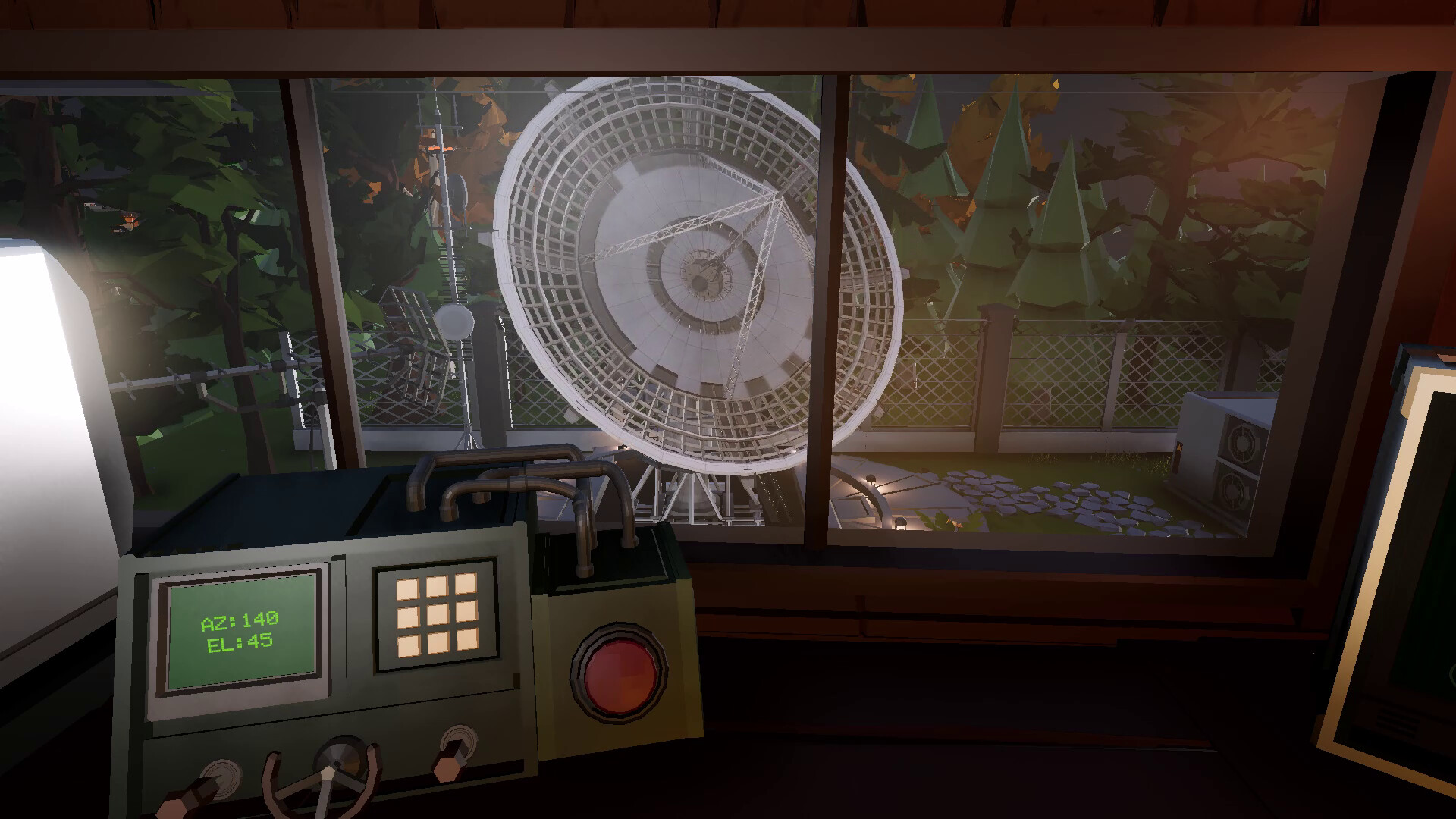
© Rock Paper Publisher. Official media via Steam.
The pitch
OverviewThere is a specific kind of co-op game that lives or dies on the quality of your conversation, and Dual Protocol: The Case of Eva & Miles plants its whole design in that soil. Two players, two screens neither can see, one murder, and the only bridge between you is what you are willing to describe out loud.
Developed by Aegean Crafters and published by Rock Paper Publisher, Dual Protocol released on October 2, 2026 for PC at 6.89 euros. It is an asymmetric noir puzzle game built for exactly two players online. One of you is Agent Eva, in the field inside Castellari Manor, following the trail and triggering the mechanisms. The other is Analyst Miles, back at the terminals, reading records, decrypting blueprints, running the operation. You progress only through conversation, and you cannot peek at each other's view to shortcut the talking.
Steam sentiment is Mostly Positive, which is an honest reflection of a game this uncompromising about its central idea. When the communication clicks, Dual Protocol produces the kind of shared deduction that most co-op games only gesture at. When it does not, the same design that makes it special becomes the thing that stalls you for an hour at a single locked safe.
That tension is the review. This is not a game you buy and play with whoever is around. It is a game you play with one specific person who is willing to describe a symbol three different ways until you both understand it, and your mileage depends almost entirely on whether you have that person.
How it plays
PlayThe core loop is description and verification. Eva moves through the manor and encounters the physical case: symbols, objects, locks, mechanisms she can interact with but cannot always interpret. Miles sits with the analog side of the investigation: records, blueprints, data he can decrypt and cross-reference but cannot touch directly. Neither seat can finish the case alone, by design, so the game forces you to become each other's eyes and mind. Eva says what she sees, Miles matches it against what he knows, and the lock only opens when the two halves of the picture line up.
What makes this more than a gimmick is that it removes the usual co-op escape hatch. In most two-player puzzlers, the stronger player can quietly grab the wheel and drag the other through the clues. Here nobody can, because nobody can see the other's screen. If Miles does not understand what Eva is describing, progress simply stops until the two of you build a shared language for it. At its best this creates genuine detective work: you are not solving a puzzle so much as negotiating a shared understanding of one, and the clatter of vintage terminals under a murder makes that feel appropriately tense.
The friction is real and worth being honest about. The number-one complaint from the game's demo period was a lack of on-screen guidance, and the launch build inherits that edge. Some puzzles are genuinely opaque: players have reported getting stuck for long stretches on a temporal computer that wants a specific date and time, a sonar device whose purpose is unclear, and safes that resist even people with escape-room experience. Whether that reads as satisfying difficulty or unfair obscurity depends heavily on your tolerance, and on how patient your partner is.
There is also a hard structural requirement that shapes everything: it takes two. There is no solo mode, and the experience is online co-op for a pair. That is the point of the design, but it is also a real barrier. You cannot sample this alone, you cannot drop in with a stranger and expect it to work, and a mismatched pair (one patient describer, one person who wants to be carried) will grind to a halt. The developers have been responsive, shipping an update that addressed intrusive analyst-side audio during the demo, and they invite players to share theories and feedback directly, which is a good sign for a game this dependent on iteration.
At its length and price it is a focused experience rather than a sprawling one. You are buying a single, pointed mystery built around one excellent idea, not a campaign of them. Taken on those terms, the value is fair, provided you clear the one requirement the game cannot flex on: the right second player.
Art & atmosphere
CraftDual Protocol dresses its central idea in a sharp, specific aesthetic: noir crossed with the technological texture of the 1990s. CRT flicker, heavy shadows, and the tactile clatter of vintage computers do a lot of the atmospheric work, and they do it well. The analog hardware is not just set dressing, it is thematically tied to Miles's half of the game, where decryption and records feel like something you operate rather than something you click.
The manor setting earns its noir. Heavy shadow and limited sightlines make Eva's side feel appropriately claustrophobic and uncertain, which matters in a game where you are often describing something you only half understand. The restraint helps: this is not a game trying to overwhelm you with spectacle, it is one trying to make a single location feel like a place with secrets worth the effort of prying out.
Sound is where the design and the craft most obviously intersect, and where the team has already had to course-correct. Because so much of the game is listening to your partner, intrusive audio is not a cosmetic issue, it is a mechanical one, and the fact that the developers patched analyst-side noise during the demo shows they understand that. When it works, the ambient texture of flickering screens and whirring machines sells the fiction. When it intrudes on the one channel the whole game runs on, your voices, it undercuts the thing that makes Dual Protocol work at all.
An original, atmospheric asymmetric mystery whose talk-only design produces genuine shared deduction, held back by thin guidance, some opaque puzzles, and a hard two-player requirement that punishes a mismatched pair.
Pros & cons
The ledgerIn its favour
- A genuinely original hook: a mystery that can only be solved by talking
- Removes the co-op escape hatch, so both players must actually engage
- Asymmetric roles give Eva and Miles distinct, complementary jobs
- Strong noir-meets-90s-tech atmosphere with real tactile texture
- Produces authentic shared-deduction moments when communication clicks
- Focused and fairly priced for a single, pointed case
Against it
- Hard two-player requirement: no solo mode and no drop-in substitute
- Thin on-screen guidance, the top complaint carried over from the demo
- Some puzzles are opaque enough to stall even escape-room veterans
- Falls apart with a mismatched or impatient partner
- A single focused mystery rather than a lengthy campaign
Screens
Official media© Rock Paper Publisher. Official media via Steam.
The player verdict
Real reviews · Steam- Not recommended
“The storyline was really predictable, lots of AI art usage in the game, some of the puzzles were fun but it took a long time to get to figuring out what was meant to happen. There should have also been a photosensitivity warning at the…”
7 found helpfulvia Steam - Recommended
“I’m playing Dual Protocol with a friend, and I’ve been enjoying it so far. It’s a nice, light puzzle game. Especially if you’re looking for something to unwind with and take your mind off things, it feels like a great fit.”
6 found helpfulvia Steam - Not recommended
“Seems a lot like AI. In the very first room of the game playing as the analyst you can already see inconsistencies: When you sit on your computer you see a set of servers with blinking lights to your right, but when you stand up, in the…”
4 found helpfulvia Steam - Recommended
“Solving the puzzles in this game is super satisfying. But my friend being musically illiterate almost drove me crazy. Like, how can someone go their entire life without ever listening to Mozart? Apparently, it’s possible”
3 found helpfulvia Steam
Verdict
The callDual Protocol: The Case of Eva & Miles is built on one genuinely good idea and commits to it without flinching. By splitting the investigation across two screens neither player can see, it turns conversation from a convenience into the entire game, and when you are playing with the right person, that produces the kind of real, earned deduction most co-op games can only imitate. The noir-meets-90s-tech presentation gives the whole thing a specific, tactile identity that suits the slow grind of piecing a case together.
The same uncompromising design is also its ceiling. The thin guidance and a handful of genuinely opaque puzzles mean the experience can swing from thrilling to stuck in the space of a single safe, and because there is no solo mode and no carrying your partner, a bad pairing simply does not work. This is not a flaw to be patched away so much as the honest cost of the concept, though more signposting would clearly help.
At 7.0, Dual Protocol is a smart, distinctive mystery that is easy to recommend with one firm condition: bring a patient partner who actually wants to talk through a puzzle, not be dragged through one. Clear that bar and this is one of the more memorable co-op experiences of the year. Fail it and the very thing that makes the game special will be the thing that stops you cold.
Sources
Original review by Aymen Sakouhi from the licensed facts above. Score: 7.0/10.