OPUS: Prism Peak Is a Melancholy, Beautiful Journey Through a Fading World
Our OPUS: Prism Peak review: SIGONO's atmospheric narrative adventure pairs a weary photographer and an amnesiac girl for a moving journey through the Dusklands.
Aymen Sakouhi·Writer · Games Hobbyist//3 min read
© SHUEISHA GAMES. Official media via Steam.
The pitch
OverviewSIGONO have quietly built one of the most reliable track records in narrative games. The Taiwanese studio's OPUS series has long specialised in melancholy, atmospheric stories about loss and connection, and OPUS: Prism Peak is its most beautiful and assured entry yet, earning strong reviews and an almost unanimously Very Positive reception from players.
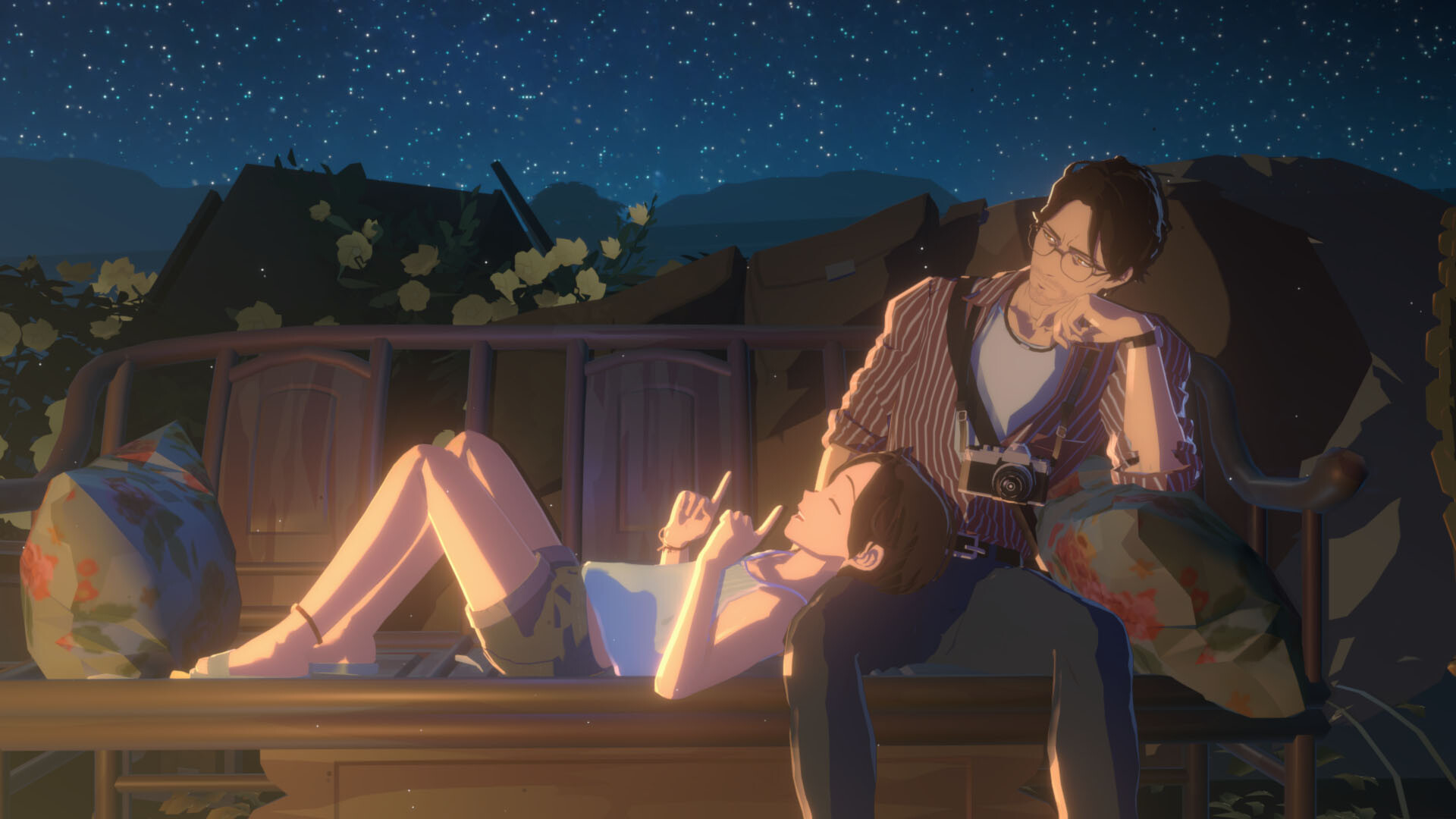
You play a weary photographer, stranded in a strange, fading region called the Dusklands, who falls in with a girl who has lost her memories. Together the two of you travel through this half-lit world, and the game is built around the quiet bond that forms between them and the mystery of where they are and why. As with the best of SIGONO's work, it is less about grand plot twists than about mood, character, and the ache of things half-remembered and slowly let go.
What elevates it is the photography at its centre. This is a narrative adventure where seeing, framing, and capturing the world is the core act, and that simple idea turns the whole journey into something contemplative and personal. It is a slow, gentle, deeply felt game, and one of the year's loveliest.
How it plays
PlayPrism Peak is a narrative-driven adventure, and its central mechanic is the camera. You explore the Dusklands by looking closely at it, using your camera to find and capture specific sights, uncover the way forward, and coax meaning out of a world that reveals itself slowly. Framing a shot becomes an act of attention, of really seeing a place, and it ties the act of play directly to the game's themes of memory and preservation. It is a gentle loop, but a purposeful one.
Exploration is unhurried and atmospheric rather than challenging. The pleasures here are in traversal, discovery, and the steady accumulation of small story beats, not in puzzles or mechanical tests, and the game trusts you to slow down and sit with its world. The companionship between the photographer and the amnesiac girl develops through quiet moments and shared discovery, and it becomes the emotional spine that carries you forward.
The obvious caveat is that this is a slow, story-first experience with light interactivity, and players who need mechanical depth or a brisk pace will find it meandering. It asks for patience and a willingness to be moved rather than challenged. But for those on its wavelength, the deliberate calm is the entire appeal, and the destination more than justifies the journey.
Art & atmosphere
CraftPrism Peak is a genuinely gorgeous game, and its art is inseparable from its meaning. The Dusklands are rendered in soft, prismatic half-light, a world caught perpetually between day and night, and that dreamlike palette gives everything a wistful, fading quality that suits the story of memory and loss perfectly. It is the kind of game where you stop simply to photograph the scenery, which is of course exactly the point.
The environmental art does a huge amount of the storytelling, with each new vista carrying its own quiet emotional weight, and the character work is understated and expressive in the way SIGONO have made their signature. The whole thing feels hand-crafted and intimate, scaled to its small, personal story.
The music is the studio's not-so-secret weapon, a delicate, melancholy score that swells at exactly the right moments and does an enormous amount to sell the game's emotional peaks. Sound and image work together here as well as in any narrative game this year, and the result lingers long after it ends.
A gorgeous, deeply felt narrative adventure that turns photography into meaning, limited in reach only by the gentle, low-challenge pace it fully embraces.
Pros & cons
The ledgerIn its favour
- A moving, beautifully told story of memory and connection
- A gorgeous, dreamlike world of prismatic half-light
- The photography mechanic ties play directly to the themes
- A delicate, superb score that lands every emotional beat
Against it
- Slow and light on interactivity by design
- Little mechanical challenge for players who want to be tested
Screens
Official media© SHUEISHA GAMES. Official media via Steam.
The player verdict
Real reviews · Steam- Not recommended
“OPUS: Prism Peak is a beautiful looking game with excellent music and what seems to be a good story, completely dismantled by an absolute slog of gameplay design. It's unfortunate, too, because I really do think it looks and sounds so…”
28 found helpfulvia Steam - Recommended
“TLDR- Not as good as the last two Opus games but still a must play. Gameplay becomes a bit of a slog part way through but the story and music make up for it. Great ending!”
10 found helpfulvia Steam - Recommended
“Put a Magnum in front of Opus because this is a masterpiece! Okay maybe that's a little bit of an exaggeration but not by a huge margin, Opus: Prism Peak is a game that is semi chill, filled with great and interesting looking locales, all…”
5 found helpfulvia Steam - Recommended
“A heartfelt journey with a great deal of empathy and curiosity. Less of a game, more an experience, but still quite worthwhile”
2 found helpfulvia Steam
Verdict
The callOPUS: Prism Peak is SIGONO operating at the peak of their craft: a slow, beautiful, deeply felt narrative adventure that uses a simple photography mechanic to say something moving about memory, loss, and the people we travel through hard times with. Its strong reviews and near-unanimous player warmth are thoroughly deserved.
It is gentle and light on mechanical challenge, and anyone looking for a game to test them rather than move them should look elsewhere. But as an atmospheric, emotional journey, it is one of the most quietly affecting experiences of 2026, and a high point for one of the most dependable studios in the narrative-game space. A melancholy gem worth savouring slowly.
Sources
Original review by Aymen Sakouhi from the licensed facts above. Score: 8.3/10.