Metaphor: ReFantazio Is Atlus Setting Its Own Formula on Fire
Atlus turns its Persona formula into a bold fantasy epic: brilliant combat, fearless writing, a few plain dungeons aside. Our verdict: 9.1/10.
Aymen Sakouhi·Writer · Games Hobbyist//5 min read
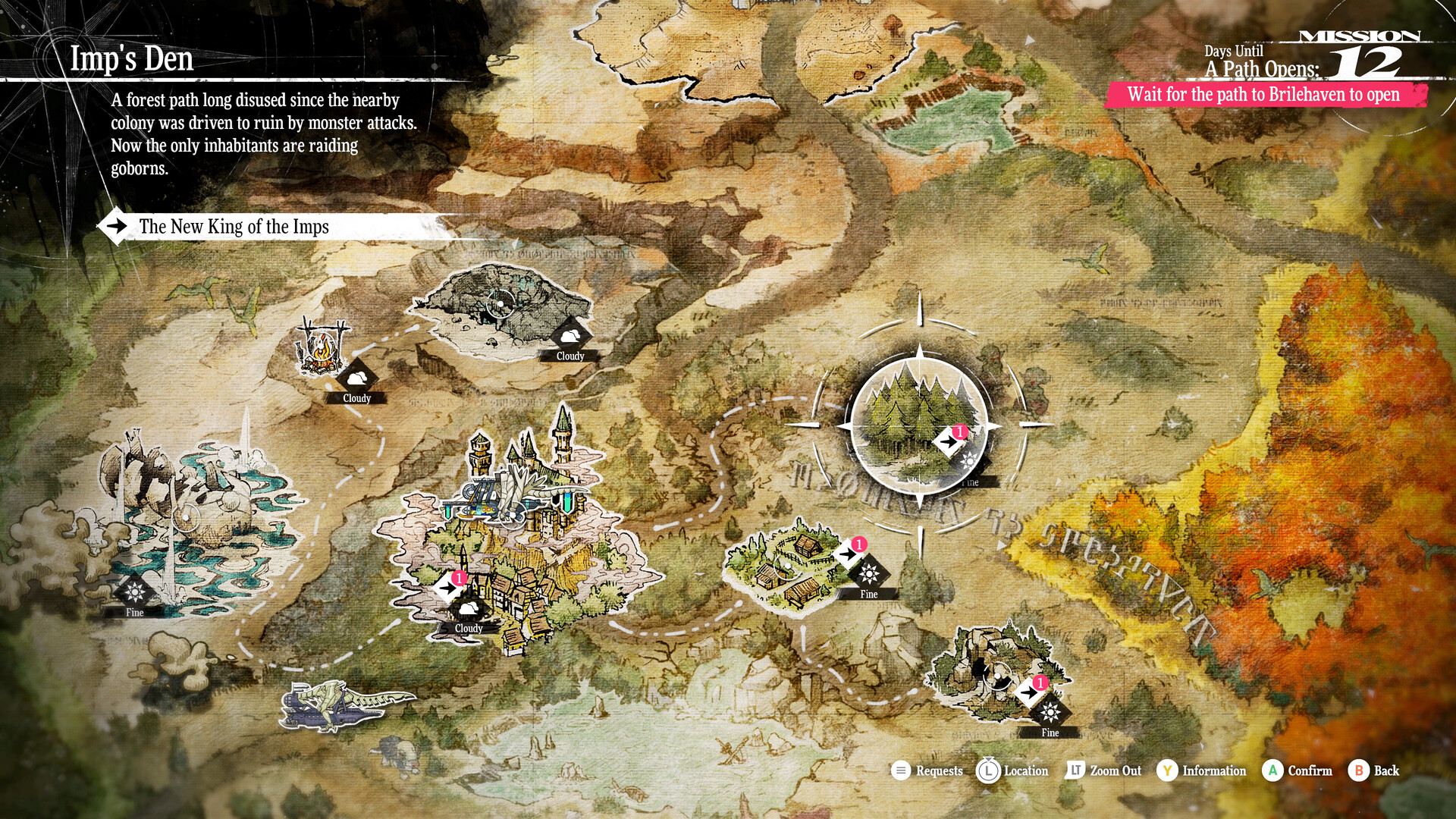
© SEGA. Official media via Steam.
The pitch
OverviewFor years the running joke about Atlus was that it would make another Persona, and only another Persona, forever. Metaphor: ReFantazio is the studio's emphatic answer to that. It takes the calendar-driven, bond-building, dungeon-crawling skeleton that made Persona a phenomenon, lifts it out of modern Japan, and drops it into an original high-fantasy kingdom with something urgent on its mind. The result is not a reskin. It is the same creative core, led by director Katsura Hashino with artist Shigenori Soejima and composer Shoji Meguro, aiming higher and swinging harder.
Released in October 2024 by Atlus and SEGA, Metaphor is set in a divided realm where the king has been assassinated and his will decrees an unprecedented succession: the next monarch will be chosen by the people, in a magical tournament open to anyone. You are an outsider from a persecuted tribe, thrust into that race, traveling the kingdom aboard a walking fortress and trying to win a crown while a genuinely monstrous rival gathers power. It is a fantasy story that is openly, insistently about our world: about anxiety, prejudice, and the terrifying, fragile idea of choosing your leaders.
Critically it landed near the very top of the year, holding a Metacritic in the low nineties and a Very Positive verdict from players on Steam, and it swept into awards season as a genuine game-of-the-year contender. That reception is earned. This is one of the most confident, thematically ambitious role-playing games in recent memory, and it is Atlus operating with the swagger of a studio that knows exactly how good it is.
It is not flawless, and the flaws are worth naming honestly. But they are the small stumbles of an enormous, brilliant thing, and they never come close to undoing it.
How it plays
PlayThe combat is the clearest evolution, and it is superb. Metaphor keeps the demanding, weakness-exploiting turn-based core that Atlus fans love, where hitting an enemy's elemental or physical vulnerability earns you extra actions and being caught out hands the same advantage to the enemy. Onto that it grafts the Archetype system, a job class engine that replaces the Personas of old. You unlock a growing tree of Archetypes, from knights and mages to stranger specialists, equip them across your party, and inherit and combine their skills so that a fighter can carry a healer's tricks or a mage can lean into brute force. The synthesis mechanic, letting party members fuse their turns into powerful combined attacks, adds a layer of team choreography on top.
What makes it more than a numbers exercise is how legible and strategic it feels. Every serious fight becomes a small puzzle of weaknesses, turn economy, and Archetype loadouts, and the game respects your intelligence enough to punish laziness while always showing you the path to a smarter approach. Atlus also smartly added a real-time action layer for trivial encounters, letting you stagger or outright clear weak enemies in the field so you only drop into full turn-based battles when the stakes justify it. It is a quality-of-life fix that keeps the pacing brisk without diluting the depth.
Outside of combat, the Persona DNA is unmistakable and just as compelling. Your days are a finite resource. You divide your time between advancing the main journey and cultivating bonds with a cast of followers, and those relationships feed directly back into your power by strengthening Archetypes and unlocking new ones. Layered on top are the Royal Virtues, personal stats like courage and imagination that you grow through activities and that gate certain opportunities. This calendar tension, the constant, slightly anxious math of how to spend a day, is Atlus's signature, and it is as addictive here as it has ever been.
The writing carries all of it. This is a story unafraid to be about something, using its fantasy races and election plot to interrogate fear, othering, and the courage it takes to imagine a better world, and it trusts its themes rather than winking at them. The party members are strong, their arcs land, and the central metaphor of the title, fantasy as the thing that lets us picture a future worth fighting for, is threaded through everything from the plot to the menus.
Where it stumbles is mostly in its dungeons. In its ambition to offer more places to explore than its predecessors, Metaphor spreads itself thin, and a lot of its dungeons are noticeably plainer and more functional than the elaborately themed palaces Persona built its reputation on. Some optional quest design is similarly workmanlike. And the pacing is deliberately, sometimes punishingly slow in its opening hours, a choice that pays off thematically but asks for patience up front. These are real notes, but they are the trade-offs of scale, not signs of a game running out of ideas.
Art & atmosphere
CraftMetaphor looks and sounds like nothing else, and that is the highest compliment you can pay an Atlus production. Soejima's art direction abandons the pop-cool of Persona for something older and stranger: an aesthetic of illuminated manuscripts and religious iconography, all gold leaf, ornate borders, and painterly grotesques, as if the whole game were a storybook someone dangerous had annotated. The user interface, always an Atlus obsession, is once again a genuine work of graphic design, with menus so stylish they double as world-building.
The monster and world design lean into the theme of fantasy as a coping mechanism for dread, and the enemies you face, the anxiety-born horrors called humans in this world's mythology, are grotesque in a way that feels meaningful rather than merely gross. The kingdom you travel is realized with a strong sense of place and history even when individual dungeons are plain, and the walking fortress that serves as your mobile home gives the journey a satisfying, novelistic rhythm of setting out and returning.
And then there is Meguro's score, which may be his boldest. He trades jazzy pop hooks for a choral, quasi-liturgical sound, chanting voices and driving rhythms that lend battles the weight of ritual and the story the grandeur of scripture. It is music that insists the stakes are enormous, and it is a huge part of why Metaphor feels less like a fantasy pastiche and more like a myth being told with total conviction.
A bold, thematically fearless fantasy RPG with superb Archetype combat and staggering art and music, held just short of perfection by plain dungeons and a slow start.
Pros & cons
The ledgerIn its favour
- The Archetype and synthesis combat is deep, strategic and endlessly satisfying
- A field action layer keeps pacing brisk without losing turn-based depth
- Fearless, thematically rich writing about fear, prejudice and democracy
- The addictive calendar and bond-building loop is Atlus at its sharpest
- A staggering, original art direction of gold leaf and grotesques
- Shoji Meguro's choral, liturgical score is a career highlight
Against it
- Many dungeons are plainer and more functional than its predecessors
- Some optional quest design is workmanlike
- A deliberately slow opening that demands real patience
- The sheer length is a serious time commitment
- Its density of systems can overwhelm newcomers to the genre
Screens
Official media© SEGA. Official media via Steam.
The player verdict
Real reviews · Steam- Recommended
“The very first thing that struck me about Metaphor - the voice acting - is a perfect encapsulation of why this game is so good. Within minutes of starting, I knew I was in for a real treat. See, my biggest grievance with high fantasy…”
19 found helpfulvia Steam - Not recommended
“Overall: 5/10 Metaphor is basically a medieval Persona with less gameplay options actually and a story that wants to be taken seriously but only pretends to. Music: 6/10 Music, voice-acting, effects, they are good but nothing memorable.…”
9 found helpfulvia Steam - Not recommended
“A Great Game with a bad story That's my tldr thoughts on the game as a whole. I really enjoy the turn based combat (my first press turn game). The exploration is fun, monster/enemy/character design ranges from great to top tier, and the…”
8 found helpfulvia Steam - Not recommended
“Everybody told me that as a long serving SMT and Persona fan, I would love Metaphor: ReFantazio but after ~16 hours of me desperately trying to like this game, I am simply at a loss. I don't know, I just don't like it. I feel conflicted…”
7 found helpfulvia Steam
Verdict
The callMetaphor: ReFantazio is the sound of Atlus proving it was never a one-trick studio. It takes the formula everyone assumed it was trapped inside, the calendar, the bonds, the weakness-hunting battles, and channels it into an original fantasy epic with more on its mind than almost any role-playing game of its year. The Archetype combat is a triumph, the writing is brave and genuinely moving, and the art and music together conjure a world that feels mythic rather than merely decorative.
The rough edges are real and worth knowing about. The dungeons rarely match the imagination of everything around them, some side content is flat, and the slow-burn opening and enormous length ask for commitment before they reward it. If you have no patience for dense menus and long JRPGs, this will not be the game that converts you.
But for anyone even slightly inclined toward the genre, this is essential. It is a bold, confident, deeply humane piece of work that uses fantasy to say something urgent about the real world, and it stands comfortably among the finest things Atlus has ever made. A few plain corridors cannot dim a game this ambitious and this fully realized. This is a modern classic, and it earns the word.
Sources
Original review by Aymen Sakouhi from the licensed facts above. Score: 9.1/10.