CODE VEIN II Widens the World and Loosens the Systems That Made the Original Work
Our CODE VEIN II review: Bandai Namco's soulslike sequel pairs a superb character creator with a reworked build system and a shaky launch.
Aymen Sakouhi·Writer · Games Hobbyist//5 min read
© Bandai Namco Entertainment Inc.. Official media via Steam.
The pitch
OverviewThe first Code Vein carved out a strange little niche for itself: a soulslike that swapped grim medieval fantasy for anime vampires drinking blood out of enemies, and swapped online summons for a permanent AI partner who fought at your side through the whole campaign. It was rough in places and adored in others, the kind of game that built a small, loyal following rather than a mass audience. CODE VEIN II inherits that following and tries to give it something bigger.
Developed internally at Bandai Namco Studios and published by Bandai Namco Entertainment, this is an Action RPG that keeps the series' core promise: a post-apocalyptic world explored alongside chosen companions, built around punishing enemy encounters and a character you can spend hours sculpting before you ever swing a weapon. The scale is larger than before, the systems have been rebuilt rather than patched, and that rebuild is exactly where the game starts to split its audience.
On Steam, months after launch, that split shows up in the numbers: a Mixed rating at 64% positive across 3,419 reviews. That is not a disaster and it is not a quiet consensus either. It is a game that a clear majority still recommends, sitting next to a large minority who ran into problems serious enough to sour the experience, and reading through what each side actually says makes the gap easy to understand.
What follows is less a story of a broken game than of a redesigned one, where several ambitious swings landed and a few concrete, fixable problems kept just as many players from feeling the same way.
How it plays
PlayThe headline change from the original is a full rework of the weapon and Blood Veil systems, the two pillars that defined how a Revenant fought and customized their build. Where the first game kept those systems relatively contained, CODE VEIN II splits them into more separate, more granular pieces, offering finer control over how a build comes together for players willing to sit with the menus and learn what feeds into what. That granularity is also the game's most divisive decision. A meaningful share of returning players describe the new setup as disconnected and needlessly fiddly compared to the streamlined version they knew, more busywork than depth for the same practical result.
Core combat still runs on familiar soulslike fundamentals: measured dodges, parries, stamina management, and executions that let you drain an enemy for resources mid-fight. Boss encounters lean on the series' habit of throwing genuinely powerful, pattern-heavy enemies at you well before you feel ready for them, and the partner system remains the sharpest way CODE VEIN II differentiates itself from the wider soulslike field. Rather than relying on other players dropping into your world, you explore and fight alongside a chosen AI companion for the whole run, which changes the pacing of encounters and keeps the game approachable without turning it into co-op in the traditional sense.
Crafting fares worse. Several players single it out as a system that exists without doing much: it neither meaningfully improves your gear nor offers a compelling reason to gather the materials it asks for, making it feel bolted on rather than load-bearing. It is the kind of system a sequel usually adds to give players something to do between fights, and here it mostly just sits there.
The user interface has grown busier along with everything else. Menus carry more text and more nested options than the original's, and navigating them mid-session, especially while trying to compare gear or adjust a build on the fly, reads as inconvenient rather than deep. It is a small thing individually, but it compounds with the reworked systems into a game that asks more patience of its menus than most players expect from an action RPG.
Performance is the sharpest complaint in the community reviews, and it is a real one: multiple players describe frame rate drops that arrive unpredictably, with no clear pattern tied to what is happening on screen, on a range of PC hardware. More than one reviewer who otherwise likes the game underneath calls the framerate the worst they have dealt with in years. That said, the reviews are not frozen in time. Players who came to the game only after a round of post-launch patches report a noticeably steadier experience, which suggests a studio still actively working the problem rather than one that shipped and walked away. Anyone buying in now is likely getting a smoother build than the one that launched, though the persistence of the complaints in more recent reviews means the fix is not complete.
Art & atmosphere
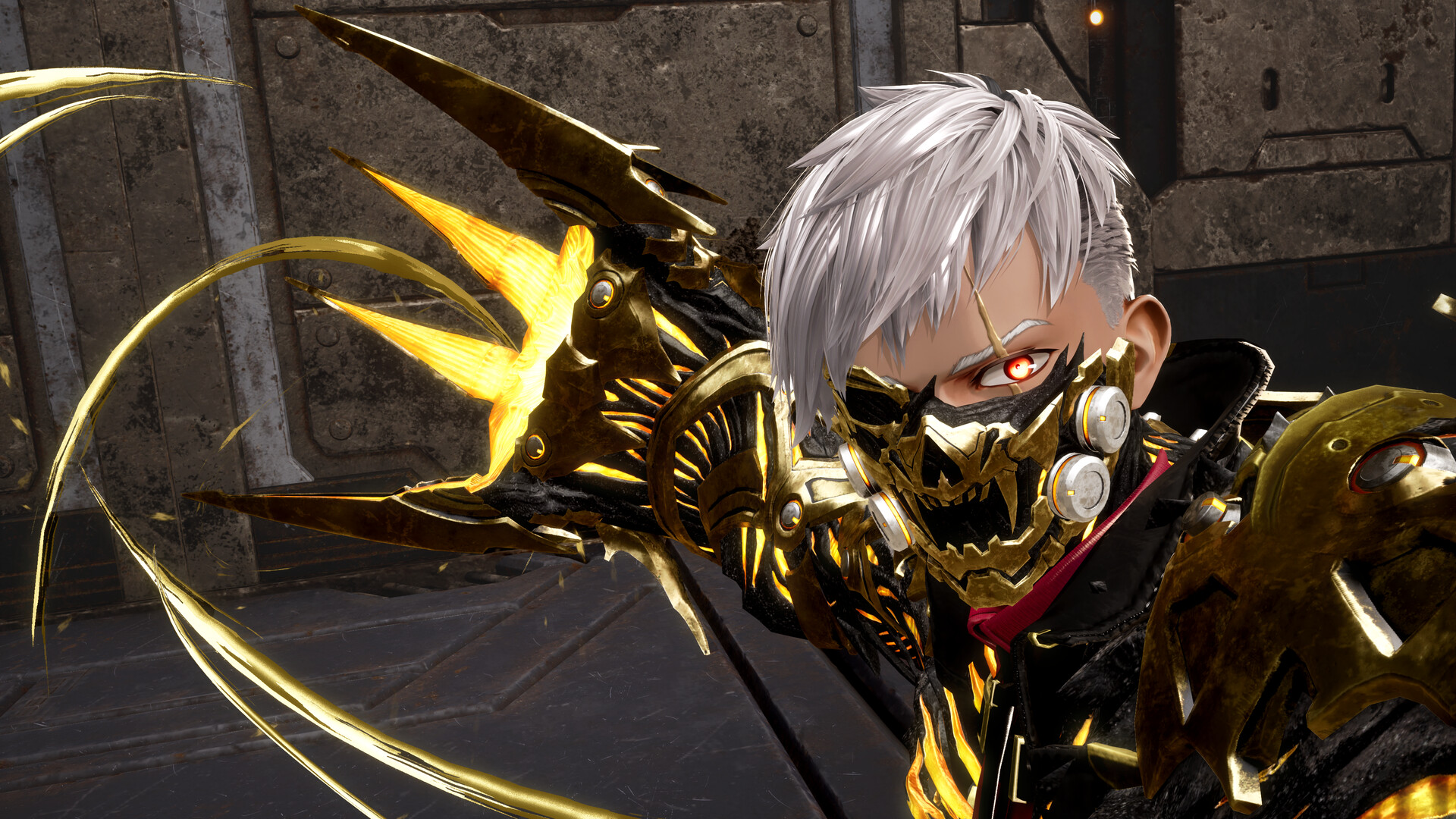
CraftWhere the game earns its warmest praise is in character creation, and it earns it convincingly. The tool carries forward everything that made the original's creator a minor cult favorite among soulslike fans and pushes it further, giving players an unusually deep set of sliders and options to build a Revenant that actually looks like theirs rather than a preset with a different haircut. It is the kind of system players screenshot and share, and in a genre where most character creators are an afterthought, CODE VEIN II treats its as a genuine selling point.
The world around that character holds up its end, too. Players consistently describe the visuals as striking, and the post-apocalyptic setting leans into the series' gothic vampire identity rather than defaulting to generic ruin, giving each area a sense of place rather than just a backdrop for the next fight. It is a good-looking game even by the standards of a genre that tends to invest heavily in its environments.
The tension running through the whole presentation is the same one running through the mechanics: a genuinely strong creative vision undercut, for a meaningful slice of the audience, by a technical foundation that has not fully caught up to it yet.
A game with real, well-earned strengths in its character creator and companion structure, held to a genuinely mixed score by a divisive systems rework and performance problems a real share of players are still running into.
Pros & cons
The ledgerIn its favour
- One of the deepest character creators in the genre
- Partner-based exploration still sets it apart from other soulslikes
- Strong, distinctive post-apocalyptic gothic art direction
- Reworked build systems offer real granularity for players who learn them
- Visible post-launch patching that has measurably improved performance for some players
Against it
- Persistent, unpredictable framerate drops for a meaningful share of players
- Weapon and Blood Veil rework reads as disconnected and fiddly to many returning fans
- Crafting system feels functionally pointless
- Busier, less convenient UI than the original
- Rough enough at launch that recovery is still in progress
Screens
Official media© Bandai Namco Entertainment Inc.. Official media via Steam.
The player verdict
Real reviews · Steam- Not recommended
“This game is not great. Not necessarily bad, but it's got some pretty serious issues. Negatives to get them out of the way: The framerate is awful, tanks randomly all the time for seemingly no reason. Crafting system is useless, doesn't…”
97 found helpfulvia Steam - Not recommended
“How do you completely change everything about the game's design and make it worse. UI is wordy/busy and inconvenient, weapon system and blood veil system completely scrapped and turned into an overcomplicated, separated mess. Can't even…”
44 found helpfulvia Steam - Recommended
“I never played Code Vein 2 before the recent patch, so I can't compare it to launch, but in its current state I'm having a great time. The graphics are gorgeous, the gameplay is fun, and the character creator is incredible. My only real…”
21 found helpfulvia Steam - Not recommended
“Although i really enjoyed the game itself, lets begin with the elephant in the room : The Performance. No matter how much i liked game, i cannot recoomend it.. it is the worst game i have played in years when it comes to performance. I…”
12 found helpfulvia Steam
Verdict
The callCODE VEIN II is a sequel that chose to rebuild rather than refine, and rebuilding is a riskier bet. The character creator alone is worth the price of admission for anyone who loved that part of the original, the partner-based exploration still sets the series apart from the rest of the soulslike field, and the world it drops you into is consistently good to look at. None of that is in serious doubt.
What is in doubt, for a real portion of the people who have played it, is whether the reworked weapon and Blood Veil systems add meaningful depth or just meaningful friction, whether a pointless crafting loop and a busier UI are worth tolerating, and whether the framerate has been fixed enough to stop mattering. Steam's own numbers say the answer splits close to two to one in the game's favor, which tracks with what is on the page here: a game with real strengths that a substantial minority of players are, for good reason, not willing to look past yet.
This lands best with existing fans of the first Code Vein who want more of its identity at a larger scale and are patient with menus, and with soulslike players drawn specifically to the character creator and companion structure over yet another invasion-based multiplayer loop. Players sensitive to frame pacing issues should watch for further patches before buying in.
Sources
Original review by Aymen Sakouhi from the licensed facts above. Score: 6.0/10.