Clair Obscur: Expedition 33 Reinvents the Turn-Based RPG From First Principles
Sandfall's Belle Epoque RPG fuses reactive, parry-and-dodge combat with a stunning story. A flawed third act barely dents it. Our verdict: 9.3/10.
Aymen Sakouhi·Writer · Games Hobbyist//5 min read
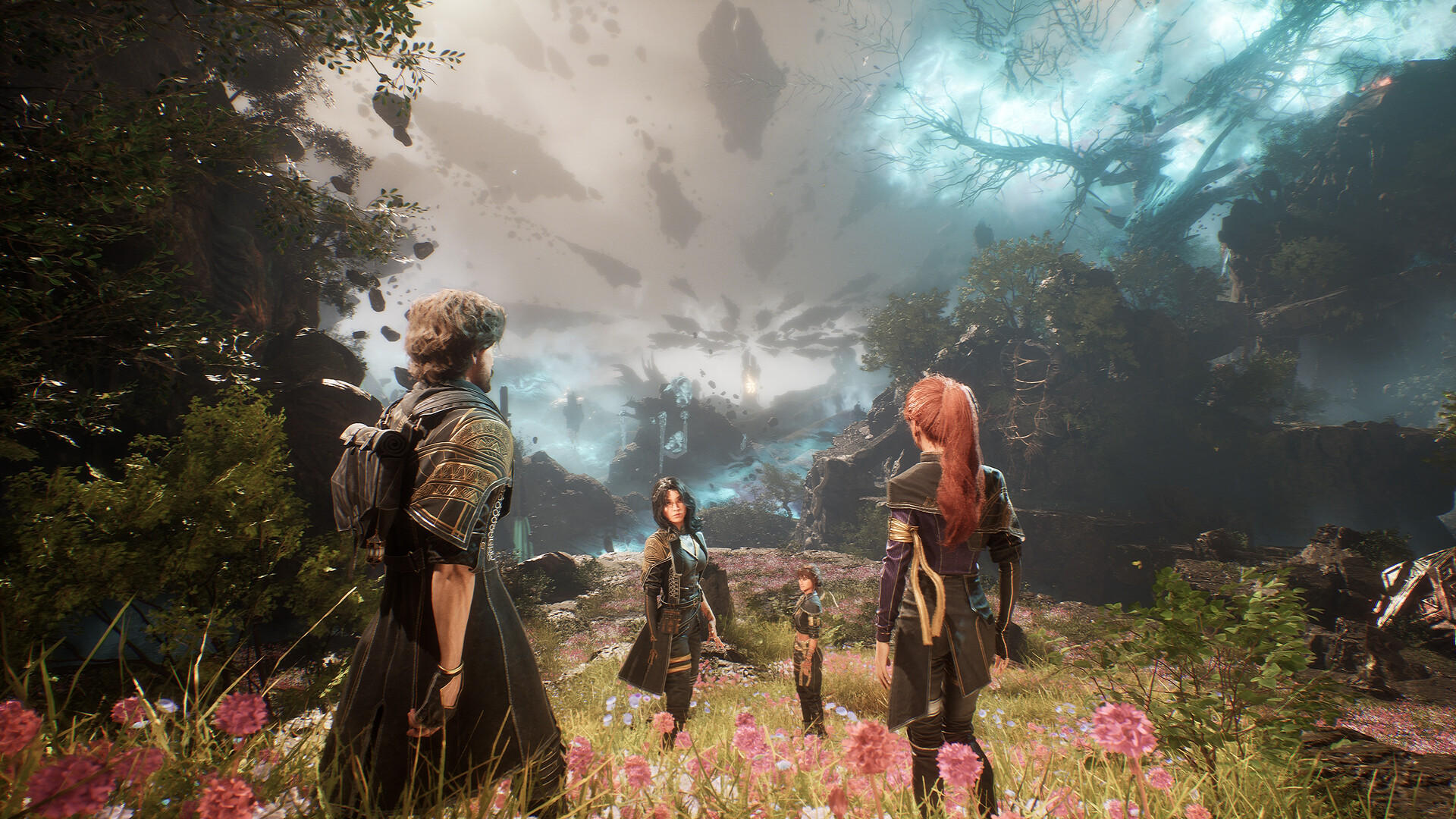
© Kepler Interactive. Official media via Steam.
The pitch
OverviewEvery so often a debut arrives with such assurance that it recalibrates expectations for an entire genre, and Clair Obscur: Expedition 33 is that kind of arrival. From a first-time French studio, Sandfall Interactive, comes a turn-based role-playing game that argues, persuasively, that the format still has undiscovered country in it, and that the gap between the tactical patience of a menu and the reflexive tension of an action game was never as wide as we assumed.
The setup is one of the most striking in recent memory. In a world inspired by Belle Epoque France, a figure called the Paintress paints a number onto a distant monolith each year, and everyone of that age simply dies. You lead Expedition 33, the latest doomed party setting out to end her before she can paint death again, and the melancholy of that premise, a society living on a countdown, saturates everything the game does.
The reception has been rapturous and close to unanimous. Clair Obscur sits at a 92 on Metacritic across dozens of reviews, with Steam players even more emphatic at over 95 percent positive across a huge sample. Multiple outlets reached for the same phrase, an instant classic, and more than one critic argued it does nothing less than revolutionize turn-based combat as we know it. This is a first game from a small team being spoken about alongside the giants of its genre.
What lifts it there is a rare completeness. The combat is a genuine innovation, the story is an emotionally sophisticated meditation on grief and hope, the cast is superbly written and performed, and the art direction is among the most distinctive of its generation. It is not flawless, its final act stumbles in ways worth being honest about, but the sum is one of the defining role-playing games of its moment.
How it plays
PlayClair Obscur's combat is the innovation everyone is talking about, and it deserves the attention. On its surface it is a classic turn-based RPG: you and your party take turns, choose attacks and abilities, and manage resources across a fight. But Sandfall grafts real-time reactivity onto that skeleton so thoroughly that it changes the feel of every encounter. On defense, you must dodge or parry incoming attacks with action-game timing, and the windows are strict, so a battle is never a passive exchange of numbers but a constant test of reflex and reading.
That single idea reverberates through everything. Because you can, in principle, deflect any attack with a perfect parry, the game can throw genuinely threatening enemies at you and still feel fair, and mastering an enemy's rhythm becomes as important as building the right loadout. On offense, timed inputs and aim-based mechanics reward precision, so even landing your own hits keeps you engaged rather than watching an animation play out. It is turn-based combat that demands you stay present every single second.
Beneath the reactivity is a deep, flexible build system. Each character has distinct mechanics and a wide space for customization through weapons, skills, and stat investment, giving the game the theorycrafting depth RPG players prize while the timing layer keeps the execution exciting. The result satisfies two audiences that rarely overlap: the strategist who wants to optimize a party, and the action player who wants moment-to-moment tension. Few games serve both this well.
Outside battle, Expedition 33 is a more traditional but handsomely made RPG, structured around exploring its striking world, uncovering its lore, and pushing toward the Paintress. The pacing of exploration and story is largely well judged, doling out new party members, mechanics, and revelations at a rhythm that keeps momentum, and the world is dense enough with wonders to make the journey between fights worthwhile.
The one significant wobble is structural, and it is worth naming plainly: the third act is where the game's grip loosens. Reviewers who otherwise adored it flagged balance problems in the endgame and a late narrative turn, a twist many found reductive, that complicates an otherwise beautifully controlled story. It does not undo the twenty-plus hours of excellence before it, but it does keep an all-time-great game from being a perfect one.
Art & atmosphere
CraftClair Obscur is one of the most visually and sonically distinctive games in years, and its aesthetic is inseparable from its power. The Belle Epoque inspiration gives it a look nothing else in the medium shares: an ornate, painterly France of gilded decay and mournful beauty, where the elegance of the period and the horror of the Paintress's annual culling coexist in the same frame. The art direction treats the game as a painting you move through, which is thematically perfect for a story about a world being erased one brushstroke at a time.
The design language is confident and specific. Enemy and environment designs lean into the surreal and the grand, the color work is lush without tipping into gaudiness, and the whole production carries a sense of curated taste that belies the studio's inexperience. Every location feels composed, and the game trusts its imagery to carry mood in a way few RPGs attempt.
The audio matches it. The score is sweeping and emotionally precise, and the performances, brought to life by a cast that critics repeatedly called award-worthy, give the game's meditation on grief and hope its human center. When Clair Obscur wants to devastate you, it has the music, the writing, and the acting to do it, and it does, repeatedly. This is a game that understands beauty and sorrow as two sides of the same coin, and renders both with extraordinary craft.
A landmark debut whose reactive combat reinvents the turn-based RPG and whose art and story are extraordinary, held just short of perfection by a stumbling third act.
Pros & cons
The ledgerIn its favour
- Reactive parry-and-dodge combat that genuinely reinvents the turn-based RPG
- A deep, flexible build system that rewards theorycrafting
- A striking, original Belle Epoque world unlike anything else
- An emotionally sophisticated story about grief and hope
- Award-worthy performances and a sweeping, precise score
- Combat that satisfies strategists and action players alike
Against it
- The third act stumbles with real endgame balance problems
- A late narrative twist many players found reductive
- Strict timing windows can frustrate players who want a slower turn-based game
- The reactive demands make it less relaxing than traditional RPGs
Screens
Official media© Kepler Interactive. Official media via Steam.
The player verdict
Real reviews · Steam- Recommended
“Lost Odyssey, Nier, and Shadow Hearts tossed in a blender with Sekiro's parry. This game is incredible, and possibly the single greatest thing to come out of France since the invention of the croissant”
215 found helpfulvia Steam - Not recommended
“So many people I know told me this game brought them joy, so I really did want to like this and share that with them. But I just don't. I tried my best to temper my expectations for this game after it swept TGA last year. I was sure it…”
77 found helpfulvia Steam - Not recommended
“Unpopular opinion, but i think the game is massively overrated. It deserves all the praise and awards it received for music, artstyle, voice acting. But for me the actual gameplay just doesn't do it! I found the entire system of…”
46 found helpfulvia Steam - Recommended
“Overall this is a great game, and if you can get it on sale it's definitely worth the money. At it's core this game is just like any other traditional RPG game with menu fighting. It's similar in that regard to games like Final Fantasy, or…”
35 found helpfulvia Steam
Verdict
The callClair Obscur: Expedition 33 is the rarest kind of debut, a first game that does not just impress but reshapes a conversation. By marrying the strategic depth of turn-based combat to the reflexive tension of an action game, Sandfall Interactive has built something that feels genuinely new in a genre decades old, and it wraps that innovation in a mournful, gorgeous world and a story with real emotional intelligence. That a small studio delivered all of this at once is close to astonishing.
It is not quite perfect, and it is worth being honest about why. The third act loses some of the control that defines the rest of the game, with balance issues and a divisive narrative turn that keep it a hair short of flawless. For players who want their turn-based combat to be a place to relax rather than react, the strict timing demands may also grate. These are real caveats, not just reviewer hedging.
But they are footnotes to a triumph. This is one of the best role-playing games of its generation and an instant classic by the broad agreement of critics and players alike, a game destined to influence how the genre thinks about combat for years. If you have any affection for RPGs, or you simply want to see a new studio announce itself with once-in-a-generation confidence, Clair Obscur: Expedition 33 is essential, and among the finest things you can play right now.
Sources
Original review by Aymen Sakouhi from the licensed facts above. Score: 9.3/10.