The Games That Turn Grief and Loss Into Something You Play, Not Just Watch
The best games about grief do not just tell you a sad story. They hand you the feeling as a mechanic. Here are the ones that pull it off.
Aymen Sakouhi//5 min read

© Serenity Forge. Official media via Steam.
Plenty of games have sad stories. Far fewer make sadness something you do. The difference matters. A cutscene can tell you a character is grieving, but a mechanic can make you feel the shape of the loss yourself: the repetition, the bargaining, the slow work of acceptance. The games below, all of which we have reviewed, share that rarer quality. They do not just depict grief and loss. They build the feeling into how you play, so that finishing them feels less like watching a story end and more like living through something and coming out the other side.
Puppergeist: grief you play in one hour
Puppergeist is the clearest, gentlest example of the idea. You are Claire, a witch who descends into a dog afterlife to find Pup, her recently passed puppy. Along the way you help other departed dogs make peace with having died, and the help comes through rhythm games that unlock the memory of each dog's life. That structure is the whole trick: play becomes a eulogy, and each cheerful minigame is really a small goodbye.
It runs about an hour and costs almost nothing, and it still lands harder than games many times its size. We scored it an 8.0. If you want proof that grief in games does not require a huge budget or a long runtime, just a clear idea executed with sincerity, start here.
GwenBlade Witcheresque: grief as a boss fight
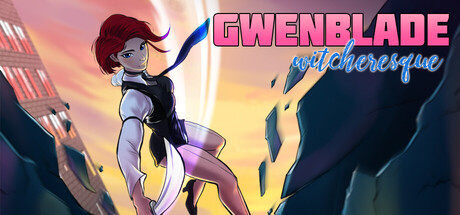
Where Puppergeist is tender, GwenBlade Witcheresque is confrontational. It is a solo-developer Soulslike about Jane, who fights monsters born from her own shadow in a city that feeds on her fears and unresolved grief. The theme is not decoration. When you die, you have to face your Shadow, a version of you that fights exactly like you do, and reclaiming what you lost means beating your own worst habits. It is the most literal thing a combat game can say about confronting the parts of yourself you would rather avoid.
We gave it an 8.0. It is rough in the places a one-person project usually is, but it commits completely to being both a real action game and a real story about depression and moving on. It uses its genre to say something instead of just wearing it.
Clair Obscur: Expedition 33: living under a countdown
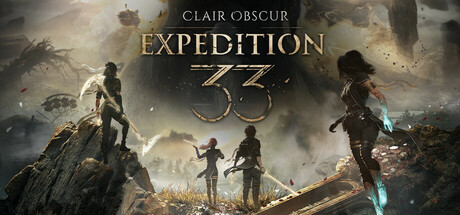
For grief at the grandest scale, Clair Obscur: Expedition 33 is our highest-rated game on this list at 9.3. It is a turn-based RPG built around mortality itself, a world living under the shadow of an annual death, and it turns that premise into one of the most emotionally ambitious stories the genre has produced. Its reactive combat reinvents the turn-based formula, but it is the art and the writing that make the loss land.
It stumbles slightly in its third act, which is the only thing holding it back from a perfect mark. Everything before that is a landmark, and it is the pick here for players who want their grief epic, orchestral, and unforgettable.
Static Dread: The Submarine: the grief of the choices you make
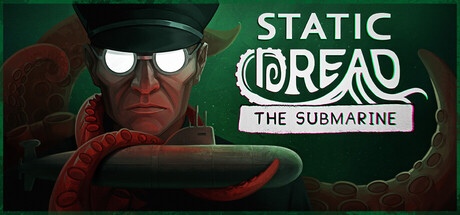
The last kind of loss is the one you cause. Static Dread: The Submarine puts you aboard a Lovecraftian military submarine as the captain's right hand, assigning your crew and reading the sonar as things in the dark begin to answer. Its horror is really about responsibility: the people you lose, and the slow realization that you missed the signs while you were watching the water instead of the person beside you.
We scored it a 7.5. It plays more like a management-flavored visual novel than a deep sim, and a single run is short, but as a study in the weight of decisions made with incomplete information, it earns its place next to the more openly emotional games here.
Why it matters
Games are uniquely suited to this subject precisely because they are participatory. A film can show you grief; a game can make you repeat a task until it means something, or force you to fight a version of yourself, or let you fail the people who depended on you. That is not a gimmick. It is the medium doing something no other medium can. Whether you have an hour or forty of them, these four show how much weight a mechanic can carry when a developer trusts players to feel it for themselves.
Related reviews
Original verdicts on new and upcoming games, no spam, unsubscribe anytime.
🎁 Subscribers could be first in line for future giveaways.